
Price Action is more than just watching candlesticks move. It’s the foundation for confident, rule-based trading that doesn’t rely on lagging information.
What Is Price Action?
Price Action is the study of how a security’s price moves over specific periods of time, typically visualized through candlestick charts.
When you understand how to “read” the market through its own movements, you unlock a clearer sense of current direction, potential shifts, and rest periods.
Why Price Action Matters
Many traders jump from one strategy to another, constantly chasing the holy grail. But the best traders don’t rely on cluttered charts or fancy tech alone—they rely on market structure and context.
Key benefits of Price Action:
- Works in all markets and timeframes
- Reveals market psychology
- Improves risk-to-reward accuracy
Core Concepts in Price Action Trading
1. Support and Resistance
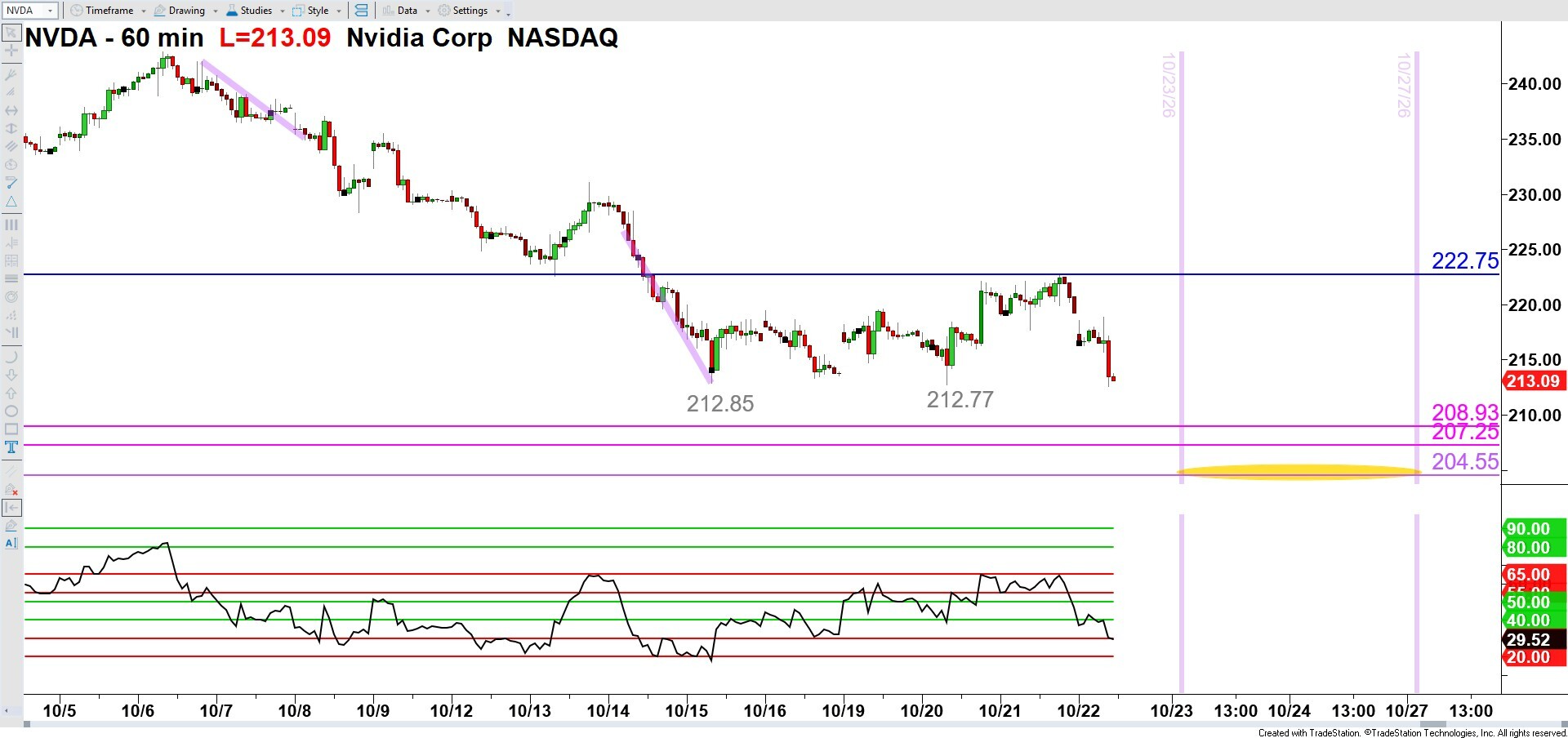
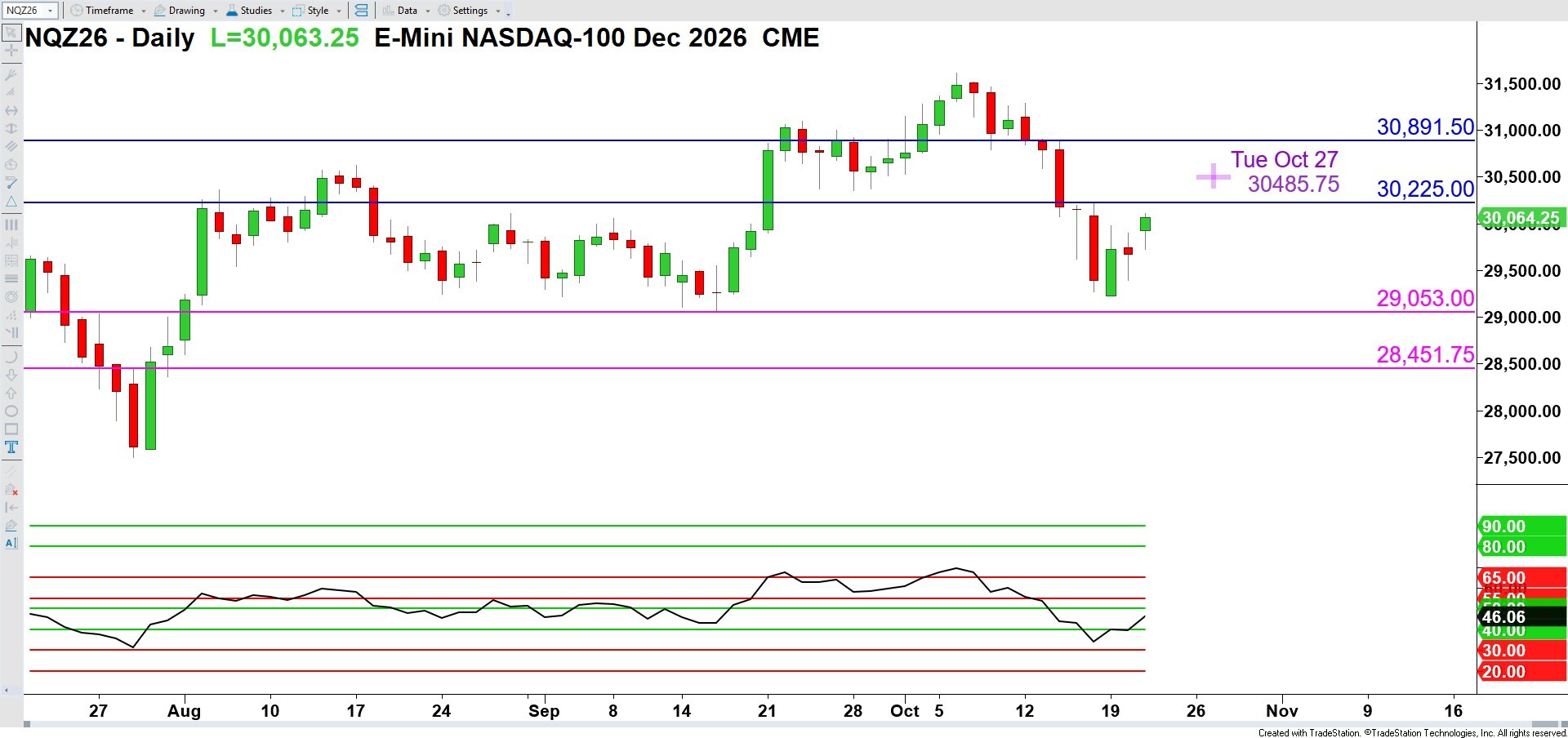
Support = zones where price tends to bounce higher. Also referred to as price floors.
Resistance = zones where price tends to reverse lower. Also referred to as price ceilings.
These are areas of interest where institutional buying or selling often occurs.
2. Candlestick Patterns
Some of the most reliable Price Action signals include:
- Hammer / Shooting Star: Strong rejection signals
- Engulfing Candle: One candle completely wraps the previous—often indicates reversal
- Inside Bar: Consolidation before a breakout
3. Trend Structure
Learn to identify:
- Uptrends: Higher highs and higher lows
- Downtrends: Lower highs and lower lows
- Ranges: Sideways consolidation zones
How to Trade Price Action: Step-by-Step
- Identify the Market Environment
Are you in a trend or a range? - Mark Key Levels
Use horizontal zones where price reacted strongly in the past. - Watch for Reactions
Look for candlestick patterns or rejection wicks at these levels. - Plan Your Entry
Confirm with price action before entering a trade. - Manage the Trade
Predetermine stop-loss and take-profit levels based on structure.
Common Mistakes to Avoid
- Overtrading: Stick to clean, high-probability setups
- Forcing trades: Let price come to your levels
- Ignoring context: A reversal bar pattern‘s implications depends on its location
Advanced Tip: Use Multiple Time Frames
Start on a higher time frame (4H or Daily) to define trends and levels.
Drop down to a lower time frame (1H or 15 min) for entry triggers.
This approach gives you clarity without overcomplicating your charts.
Final Thoughts
Mastering Price Action is a journey. It rewards patience, screen time, and discipline. When you stop relying only on indicators and start focusing on price itself, trading becomes clearer and more logical.
If you’re ready to trade with more confidence—Price Action is your edge.
🚨 PS — Watch the Replay: Last Night’s Weekly Trading Show
We had our 17th broadcast of Ticker Request Live yesterday!
📺Catch the May 5th replay on Youtube (will come down without notice):

Leave a Reply