
📺 Watch the full video here:
We’re kicking off the first full trading week of 2026 with global markets digesting fresh geopolitical developments, including Maduro’s exit from Venezuela. In this video, I walk through the major U.S. index futures to show how recent price action has either confirmed, compressed, or invalidated prior forecasts — and which support levels now matter most if markets don’t continue higher.
This is a practical example of how I personally use forecasts as guides, not guarantees, and how I adapt them when cycles shift or stall.
🔍 Highlights
1️⃣ E-mini S&P 500 Futures (ESH26):
My December 23rd forecast calling for continued upside into early January largely played out, though holiday trading compressed momentum more than expected. With that consolidation now reflected in price, the forecast has been adjusted rather than abandoned, as I teach inside the Lost Forecasting Trading System. As long as ES holds above the January 2 low, the current upside bias remains intact. A break below that level would raise the risk of a broader rotation back toward the November 21 range.
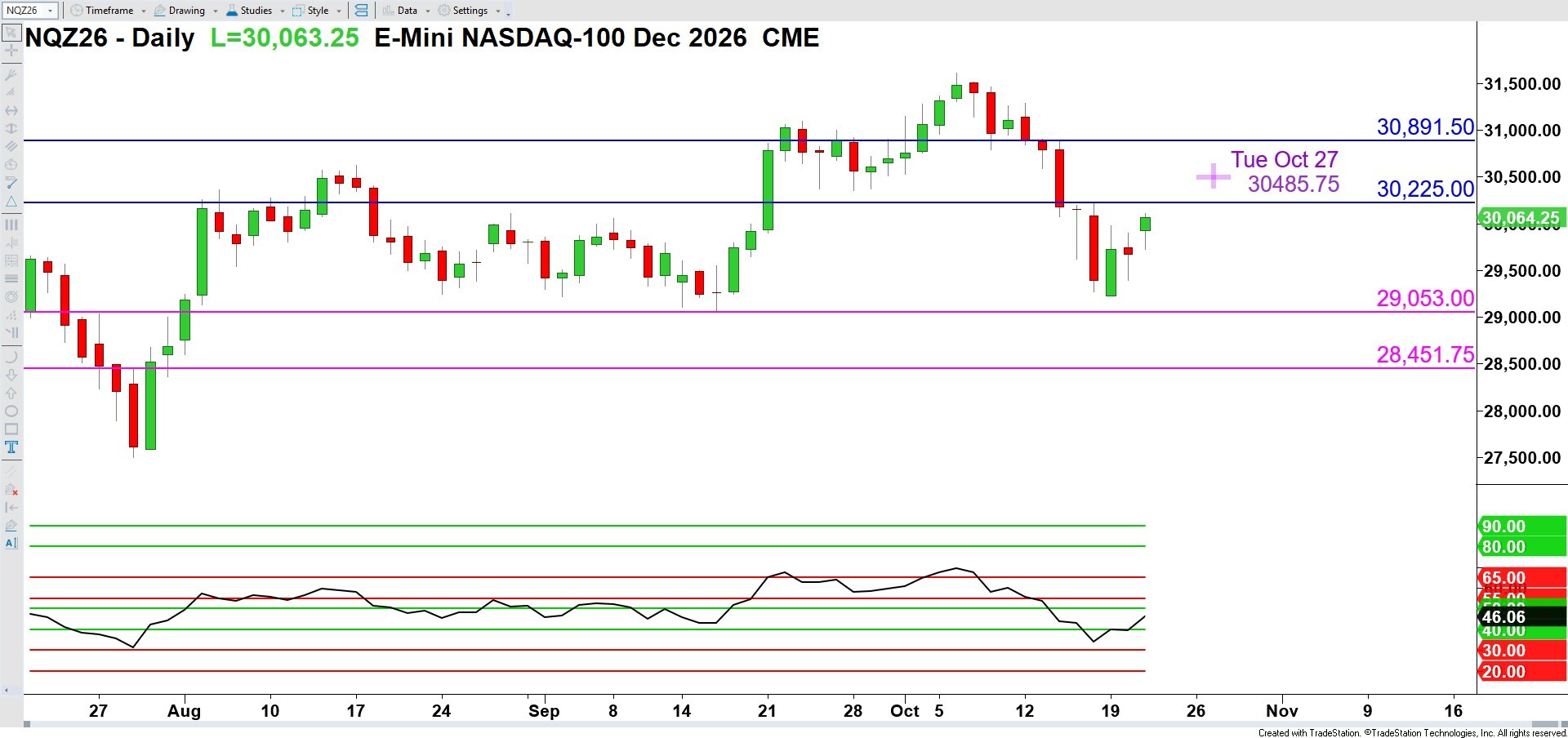
2️⃣ E-mini Nasdaq Futures (NQH26):
The prior projection (detailed in video) targeting early-January strength did not materialize, making this a clean example of when a forecast needs to be reset. The updated outlook reflects the new cycle alignment. Holding above the January 2 low keeps the upside scenario viable, while a failure there would increase the likelihood of a return toward the December 17 range.
3️⃣ E-mini Dow Futures (YMH26):
The Dow has continued to show relative strength compared to ES and NQ, which is why the pre-Christmas forecast remains in place. While price action may not reach the target on the original timeline, the broader structure still supports further upside. The January 2 low remains the key support level to watch in order to keep the Bullish trend intact.
The biggest takeaway here isn’t any single price target — it’s the reminder that flexibility is what keeps forecasts useful. Markets rarely move in straight lines. Knowing when to adjust a forecast— and which levels would invalidate it — helps keep your analysis most useful.
Use these levels as reference points, not rigid expectations, and stay focused on how price behaves around them to better guide your trade initiation and management..
~ Hima
P.S. What markets or tickers are YOU trading here in 2026 that you’d love my take on?
Comment below and I’ll consider them!
Leave a Reply