
We all want cleaner trades, more confidence, and less noise. But the truth is, those setups don’t just appear out of nowhere. They’re identified— by building structure into your analysis and learning how to layer your trading tools.
Let me walk you through how I approach it, and how you can start finding high-probability trades with more confidence.
What High-Probability Setups Really Are
Let’s clear something up first: a “high-probability setup” isn’t about waiting for some magic signal to appear. It’s about confluence — when multiple, different types of market data line up and point to the same outcome.
In my system, the best setups come from using:
- Price action (like support/resistance and retracements)
- Momentum (via my RSI Power Zones indicator)
- Time (forecasting that help you anticipate reactions)
High-probability setups use at least two sources of market data. That’s what makes them higher probability — not just one flashy signal, but multiple perspectives pointing to the same opportunity.
What That Looks Like On My Charts
Here’s an example I see regularly when trading ES futures:
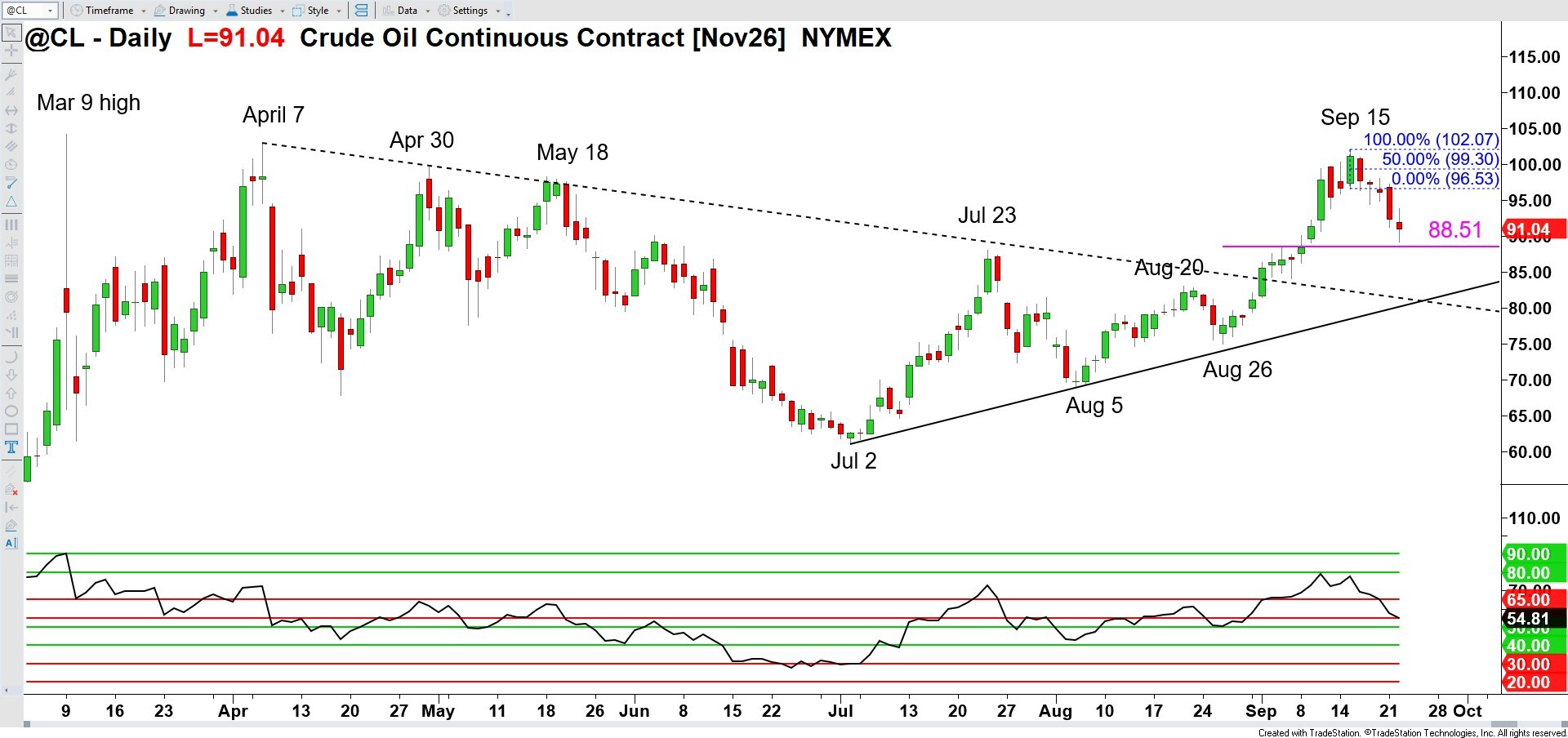
Let’s say price pulls back to the 50% retracement of a prior advance. At the same time, that level lines up with the midpoint of a support zone based on a previous “Price Low”. Alone, either of those things might be enough to grab my attention. Together? That’s price action confirming itself.
Or here’s another one I love:
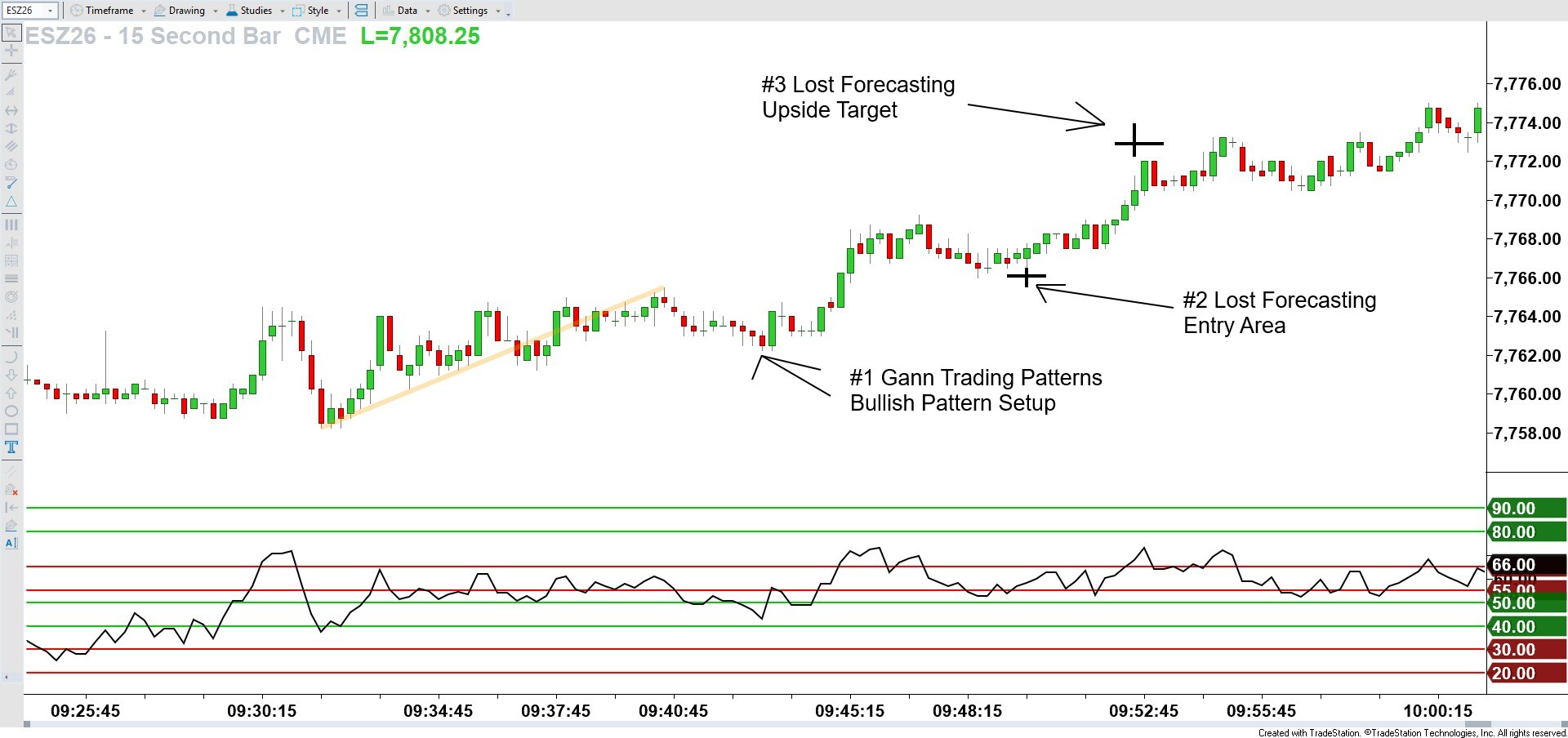
A bullish candlestick pattern appears, and at the same time, the RSI is showing a Bull Bear Face Off, meaning bulls are starting to take control of momentum. That’s when I have both price and momentum telling the same story — and that increases my odds.
What Doesn’t Work (And Why Some Traders Get Tripped Up)
One of the biggest mistakes I see traders make is relying on multiple tools that all measure the same thing — like RSI, MACD, and Stochastics which all measure momentum.
I used to have to do that when I worked on Wall Street. I was literally required to include all three on my charts — and write up reports when they aligned. But here’s the thing: they’re all momentum tools. So of course they often agree — they’re built to do that.
That’s not confirmation. That’s duplication.
And it can lead to false confidence.
If all your “confirming” indicators are just different versions of momentum, then you’re not actually getting a second opinion.
That’s why I focus on different types of data: price, time, and momentum. When at least two of them align, I know I’ve got something strong.
The Best Way To Start Spotting High-Probability Setups
To start identifying your own high probability setups, look back before you jump forward.
I teach my students in the Four Zones RSI Coverage System to keep a trading journal — and no, not just a spreadsheet of entry and exit prices. A real journal that includes the typed or written reason why you took the trade, what conditions were present, what worked, and what didn’t.
Reviewing your own trades — especially the ones that made money or limited loss — will start to reveal patterns. You’ll uncover your own “must-have” conditions, and what I call boosters — factors that strengthen a trade but aren’t essential to take action.
The more you journal and review, the more those high-probability conditions will start to stand out — and you’ll build your own system from experience, not just theory.
Heads up, if you’re a Four Zones RSI member, you can find the journal here! https://himareddy.xperiencify.io/fourzonesrsi/new-to-xperiencify-quick-start-guide/download-your-trading-journal-template/
Building With Momentum: The Role of RSI
Once price action becomes second nature, the next layer I recommend is momentum — specifically RSI. But not just the standard 30/70 levels. In my Four Zones system, we break RSI into actionable phases, with clear power shifts between buyers and sellers.
That way, momentum becomes a real confirmation tool, not just a vague guess.
Then, in my Advanced RSI Power Zones System, we unlock even more ways to use momentum to identify high probability trade setups. The Advanced system works best when done after the Four Zones system or alongside it.
Bringing high probability setups into your trading approach is not an event – it’s a process. Once you make it a habit, you’ll start reviewing your trade results and continually revisiting your setups to make sure that they’re giving you the results that you want.
If you approach the markets my way, once you start identifying the setups that work for you (including price action, momentum, and market timing), you’ll stop stacking guesses and be able to trade with more clarity, leading to faster action and boosted trading results.
🚨 PS — Presenting on Momentum TODAY 🚨
Be sure to join me LIVE TODAY at the Women Teach Trading & Investing Conference! I’ll be training on momentum trading and taking ticker requests to show the RSI Power Zones in action on today’s markets.
👉 You can register here to attend my presentation at 2:00 PM Eastern: https://link.timingresearch.com/ST62himareddy/

Leave a Reply