
We’ve recently talked about what a trading plan is, why it’s important, and what the core features are.
But if you’re still having a hard time really grasping how this framework applies to your trading— let’s take to the skies!
Whether you’ve ever flown in an airplane or not, you can probably imagine it from TV or movies. And when you think about it from the pilot’s point of view — not the passenger’s — it becomes a powerful analogy for how to approach your trades.
✈️ Before You Take Off: Prepare Yourself to Trade
Most traders think a trading plan is just about what happens while a trade is live after the market fills an order. But just like with flying a plane, what happens before and after is just as critical.
Think about a pilot before a flight. Even before they step foot in the airport, they’ve likely:
- Gotten a full night’s sleep
- Eaten to maintain energy
- Mentally and physically prepped for the job ahead
It might sound basic, but it’s critical — no one wants a tired, scattered pilot running the show!.
This is like “opening your trading office”.
It’s the essential personal prep you need before approaching the charts.
And yet, most traders skip this entirely. They dive right into staring at charts without ever checking in on themselves first.
But just like a pilot, you’ve got to be fit to fly.
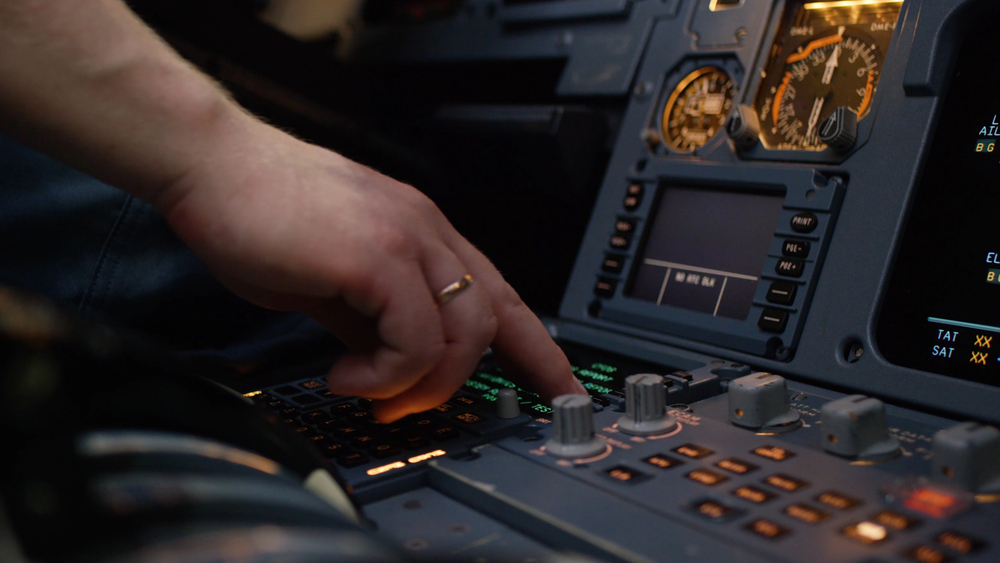
✅ Pre-Flight Checks = Pre-Trading Analysis
Once the pilot gets on the plane, he doesn’t just jump in the cockpit and take off.
He goes through a checklist — often with the full crew — to make sure the plane is safe and ready:
- Check fuel levels and pressure gauges
- Confirm all essential functions are working
- Assess the weather
This is your pre-trading analysis.
It’s what you do to understand the “lay of the land” in the markets before you trade:
- Analyzing your charts per your chosen techniques
- Being ready for any scheduled economic news or political updates
- Determining your outlook for the session ahead
You’re essentially getting a sense of the conditions for your potential flight.
Only once you’ve opened your office and done your prep are you ready for takeoff.
🚀 In the Air: Managing the Trade
Now comes the part that most traders think is the whole deal — the trade itself.
The moment a plane lifts off the runway?
That’s your trade going live.
All the turns, dips, turbulence? That’s you actively managing the position — staying alert, making small course corrections, adjusting your protective stop, watching price action unfold.
It’s not passive.
It’s engaged, moment-to-moment navigation.
And just like a pilot must follow procedure through weather changes and reroutes, you follow your trading plan — even when conditions shift.
Eventually, the plane lands. The trade ends.
But just like a flight, it’s still not over.

🧹 After Landing: Review and Reset
When the plane touches down, the pilot and crew don’t clock out.
They still have to:
- Review the flight data
- Reset the plane’s systems
- Refuel and restock
This is your post-trade review.
There’s the immediate review you do right after the trade:
- Did you follow your plan?
- How did you manage your mindset?
- What should you note for next time?
And then there’s the deeper reset — preparing for your next trading day.
It’s a step too many traders ignore. But it’s where your growth happens.
👨✈️ Why This Matters: You Are the Pilot
So if you’ve ever struggled with how to use a trading plan — or why it matters so much — think about a commercial flight.
When you board a plane, you’re trusting that flight crew to get you safely from point A to point B.
And your future trades? They’re trusting you.
You are the pilot.
Your plan is the flight path.
Your trade is the aircraft.
Prepare well.
Check your systems.
Fly with care.
And review every flight so the next one is even smoother.
🛬 Your Turn
👉 What part of your “pilot process” do you tend to skip — and how will you improve it?
Drop a comment and share your takeaway.
~Hima
2 responses to “Navigate Your Trades: How to Use a Trading Plan Like a Pro Pilot”
-
Need to develop my pre checklist. This will replace gut feel.
-
Hi Hima,
like your approach to trading…..always interesting…..makes alot of sense
thank you,
gary


Leave a Reply