
All right. Let’s walk through this together.
First of all, the Fed did the expected — they cut rates by 25 basis points. They also mentioned reducing their security holdings, so they’re chipping away at that $9 trillion balance sheet.
Now, here’s where it gets interesting. There was only one dissent — Governor Myron, who wanted a 50 basis point cut. And then there were seven who wanted no further cuts.
And when you look at that alongside Powell’s press conference, it lines up. He literally said “ policy is not on a preset course.”
What that really means is this: forecasting exactly what the Fed will do next isn’t going to be very useful. Even their SEP “dot plots” — those are just retaken meeting to meeting. Powell basically reminded us: take it one decision at a time.
Financial Markets Reaction
When you look at the actual underlying markets — and there are a lot of choices here. You could look at the S&P 500, the Nasdaq, the Dow.
What happened was: a little drop, then a recovery.
But here’s what stood out to me — the small caps seemed to have the best reaction. And that makes sense. If we’re heading into a lower interest rate environment, smaller-cap companies benefit. They tend to be more domestic, they make their money here in the U.S., and with lower borrowing costs, they are able to create better profit margins.
So small caps cheering makes perfect sense given the Fed move.
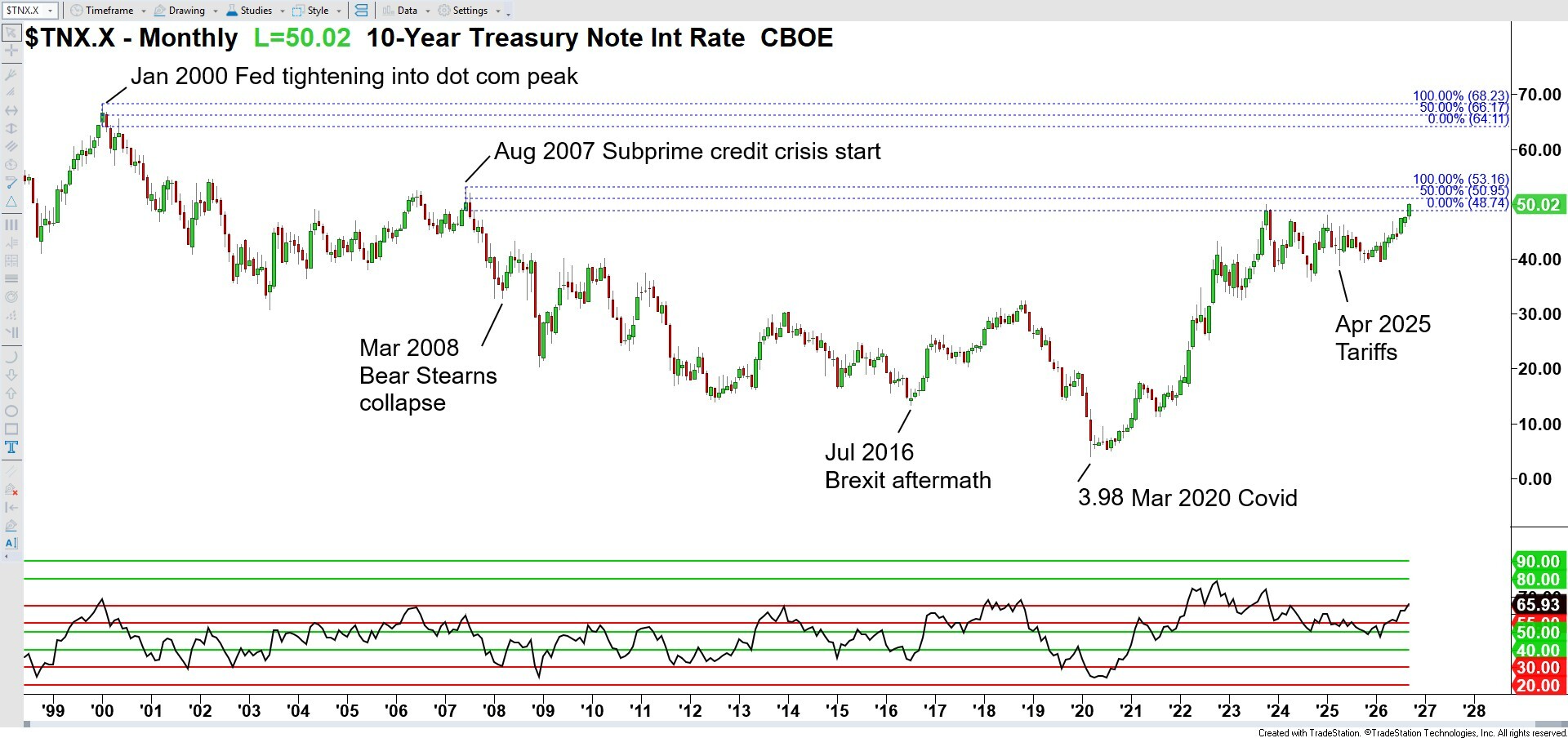
It’ll also be worth watching the bank stocks, the home builders, and of course the bond market in the coming days and weeks. And keep an eye on the dollar index too — rate changes always ripple there.
The Bigger Picture: Policy alongside Politics
There’s been a lot of talk about whether the Fed can stay independent — following the data — when you’ve got political pressure. Right now, that pressure is coming from the Trump administration, leaning hard on the Fed to lower rates.
And don’t forget — Jay Powell’s term ends in May 2026. Could he be reappointed? Technically, yes. But given the current administration’s views and actions, let’s assume Powell’s done in May.
That means the real question isn’t just “who’s the next Fed chair?” It’s also “who’s staying on the Board of Governors?”
Those board members serve longer terms, and today they really leaned on “balancing risks.” In plain English, that means they’ve taken their foot off the gas on fighting inflation and shifted to worrying more about a cooling labor market.
What This Could Mean for Traders
So how do we put this together?
My read is that this shift — less concern about inflation, more concern about jobs — could set the stage for markets to grind higher over the next several months, maybe into May 2026.
Now, let me be clear. This isn’t a black-and-white forecast. Don’t go buying today and then get mad at me if the market isn’t up next spring. I don’t have a crystal ball.
What I do have is a way of looking at how all these factors interact. By checking in on the charts of the securities I mentioned above, which I’ll do at our various coaching sessions and more.
And even though Powell says policy is meeting-to-meeting, I wouldn’t be surprised if we see more cuts.Or to twist a Prince lyric just a bit… maybe this is where the doves fly.
~Hima
Leave a Reply